
HomeServicesLaboratory & field testing

Dubai & UAE

Laboratory & field testing, with clarity you can act on.

Concrete, non-destructive testing, geotechnical work, and durability assessments across Dubai and the UAE.

Authority-ready reporting

Clear, defensible outputs aligned with engineer and authority expectations, easy to review and approve.

Field + lab coordination

Sampling, testing, and documentation managed as one workflow, reducing delays and repeat visits.

Methods that stand up

Testing approaches grounded in recognized standards and practical site realities across the UAE.

Overview

Concrete · geotech · NDT (Dubai & UAE)

Prime Lab provides concrete testing, non-destructive testing, geotechnical investigation, and durability assessments in Dubai and across the UAE. Our services support structural performance, renovation decisions, and authority compliance using recognized ASTM, BS, and local technical requirements where applicable.

Commitment

Clear data, defensible methods, reporting that engineers and authorities can use.

Process

  1. 1

    Scope & test selection

    Confirm objectives, access constraints, and the right mix of tests for the decision you need to make.

  2. 2

    On-site execution

    Coordinate visits, safety, sampling, and measurements, capturing reliable data without disrupting operations.

  3. 3

    Laboratory analysis

    Controlled testing and verification with traceable records for engineers, consultants, and authorities.

  4. 4

    Reporting & next steps

    Deliver clear findings, interpretation, and documentation that supports approvals and confident action.

Coverage

Testing services we deliver.

Concrete core compression test

Cylindrical cores are extracted from slabs, beams, columns, and foundations to measure actual in-situ compressive strength. Testing is performed in controlled laboratory conditions in line with ASTM, BS, and local requirements.
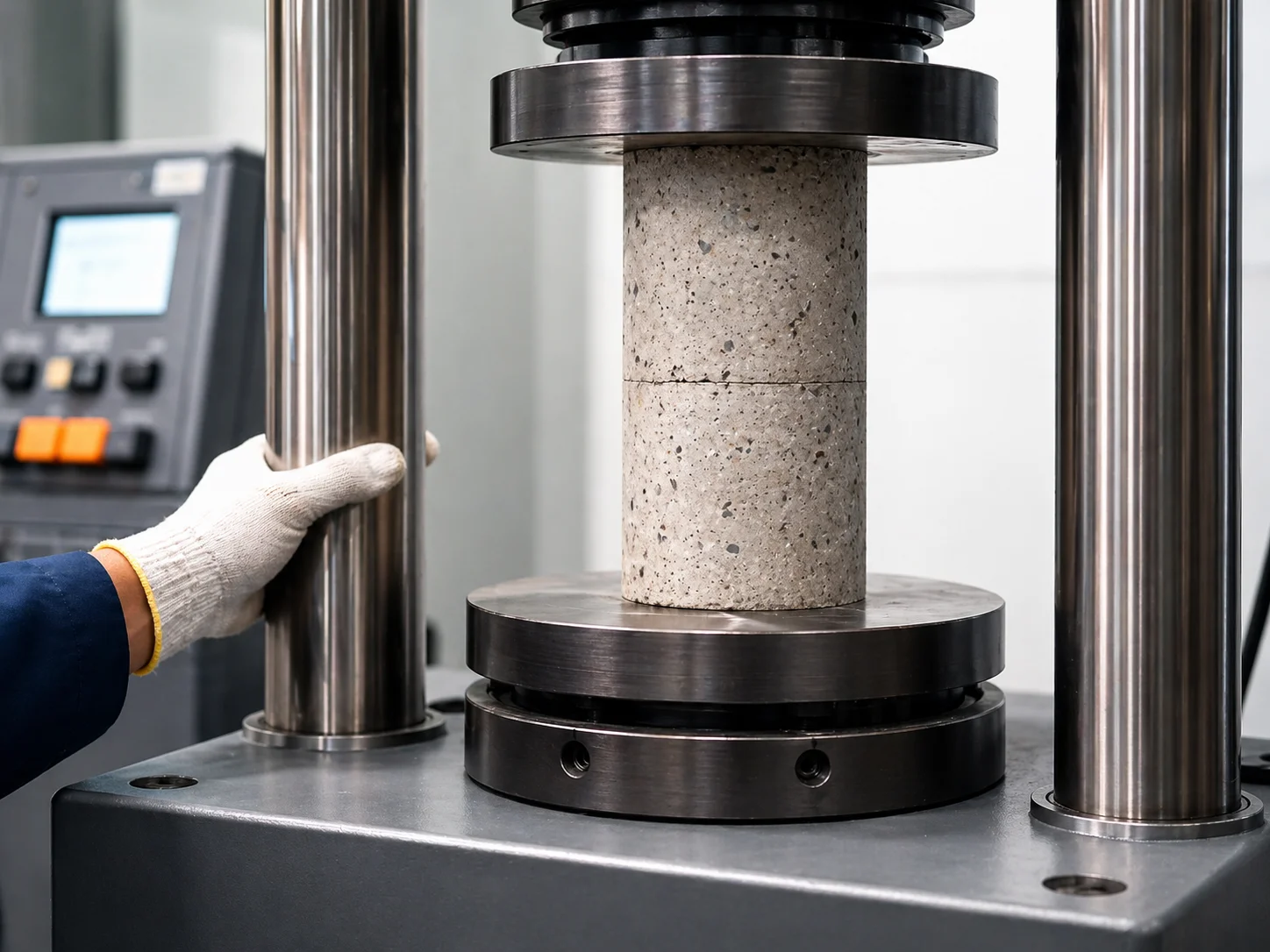
Laboratory testing environment

Rebound hammer (Schmidt)

A fast non-destructive method to assess concrete surface hardness and estimate compressive strength on site. Rebound values are correlated using calibrated charts in accordance with ASTM C805 and BS EN guidance.

On-site concrete assessment

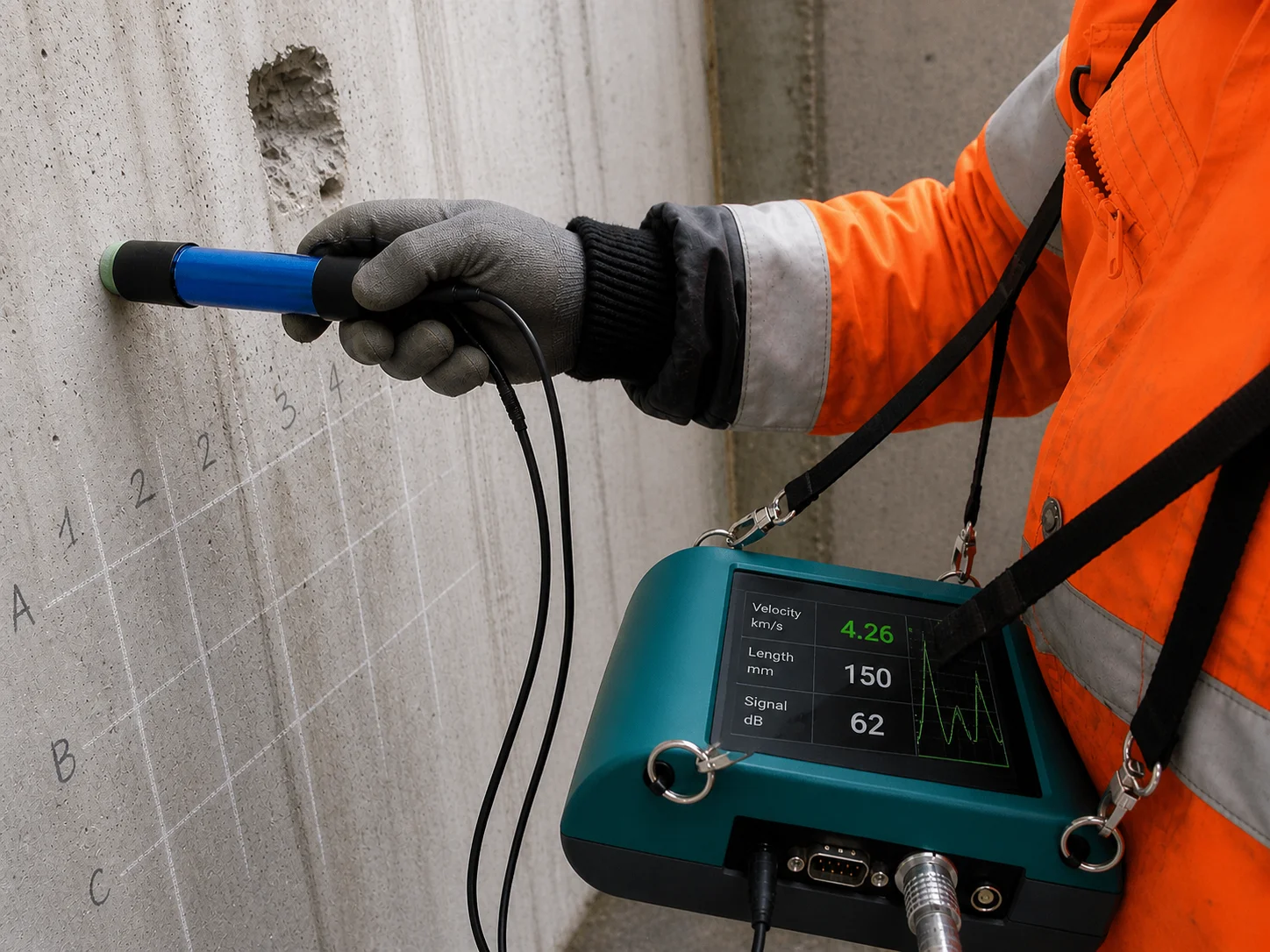
Ultrasonic pulse velocity (UPV)

UPV testing evaluates concrete quality, uniformity, and internal integrity without damage. Pulse velocity helps identify cracks, voids, honeycombing, and potential defects as per ASTM C597 and BS EN standards.

Technical measurement on materials

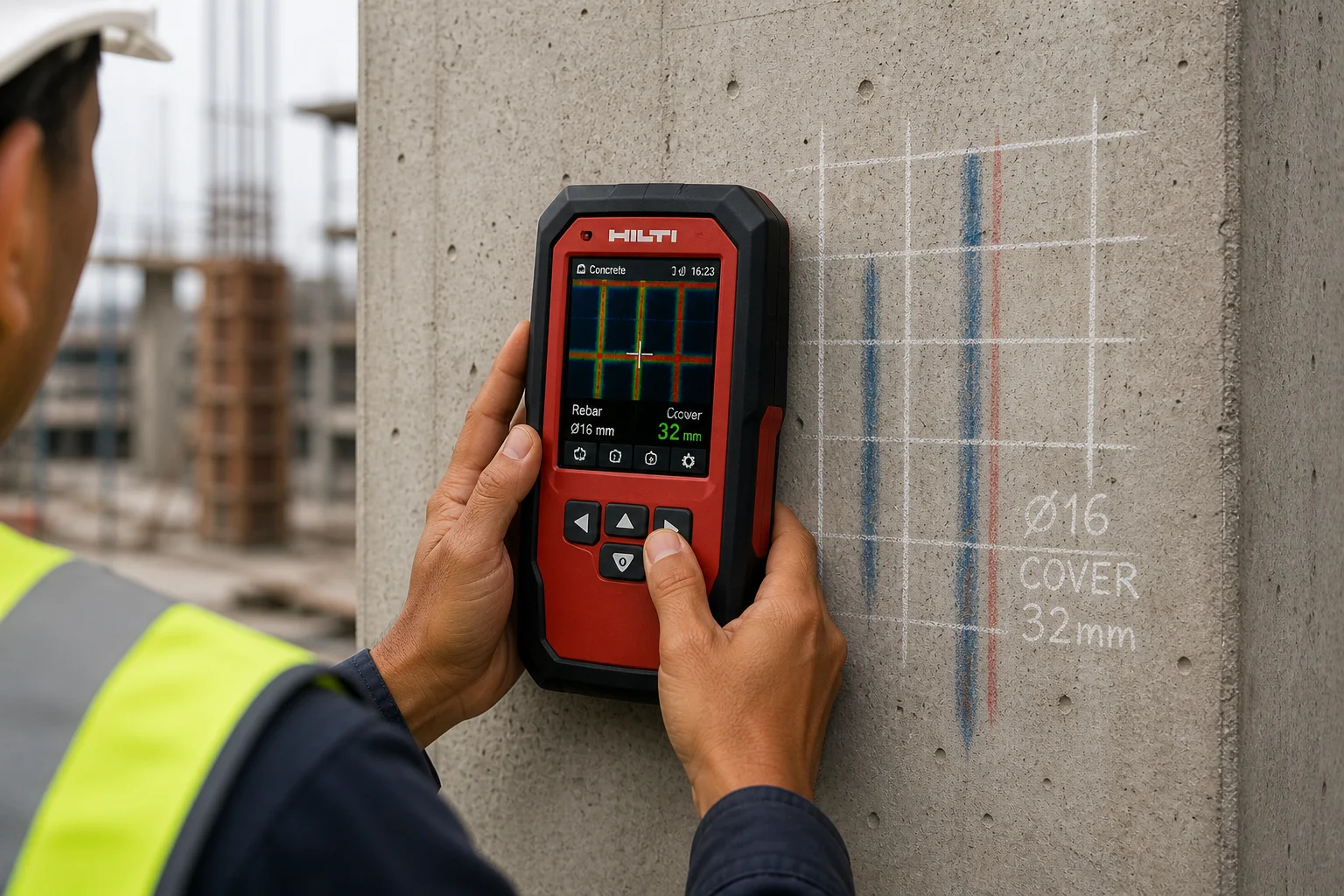
Rebar scanning & cover meter survey

Using cover meters and GPR, we detect rebar location, depth, spacing, and concrete cover thickness. This supports safe coring, drilling, anchoring, and structural modification planning.

Structural scanning and mapping

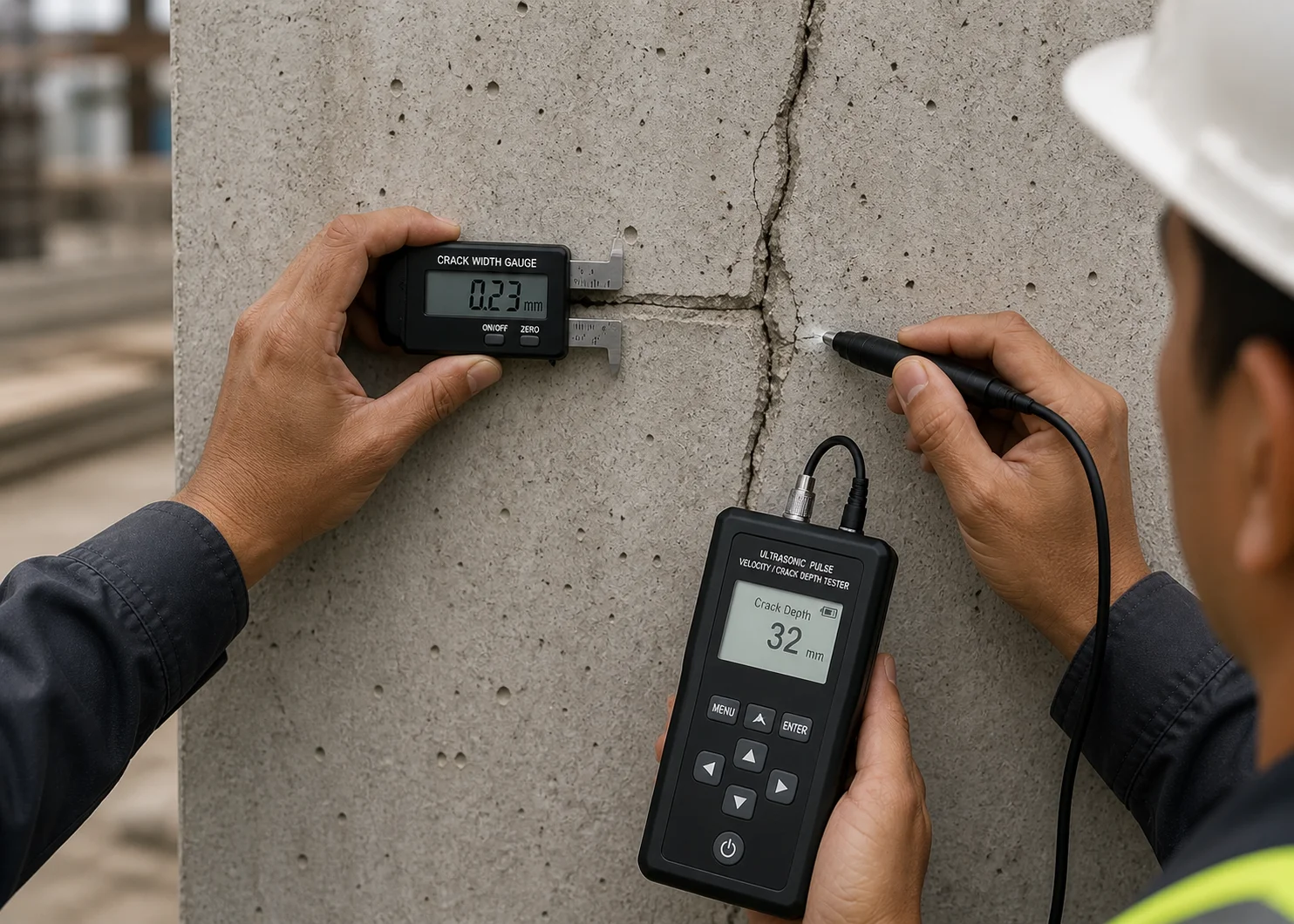
Crack width & depth

Crack width and depth measurements help determine whether defects are superficial or structurally significant. Testing combines precision gauges or microscopes with ultrasonic or probe-based depth verification.

Structural detail and condition assessment

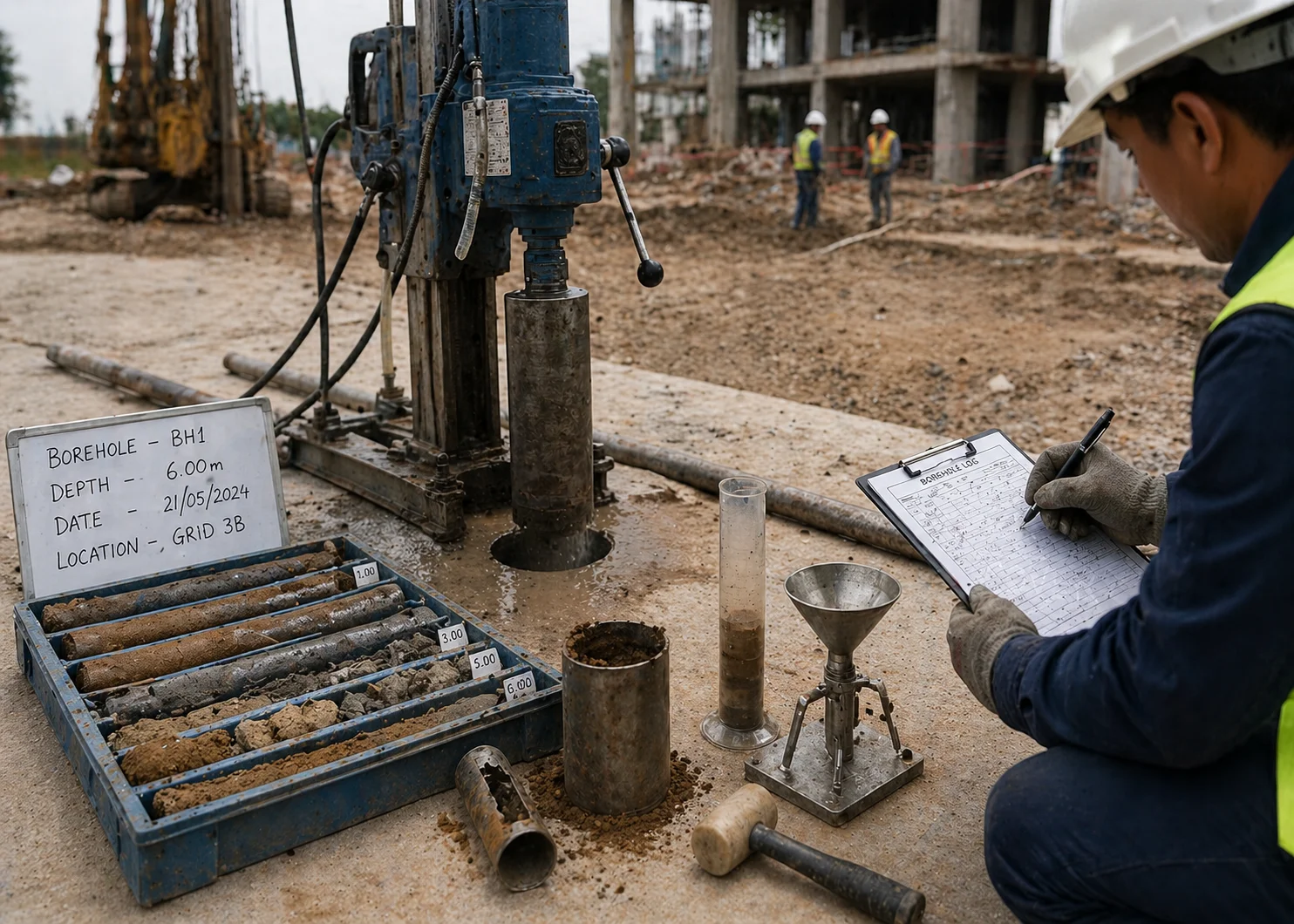
Boring & soil testing

Geotechnical boreholes and laboratory analysis assess soil bearing capacity, moisture, density, shear strength, and settlement behavior. Results support safe and cost-effective foundation design.

Geotechnical field work

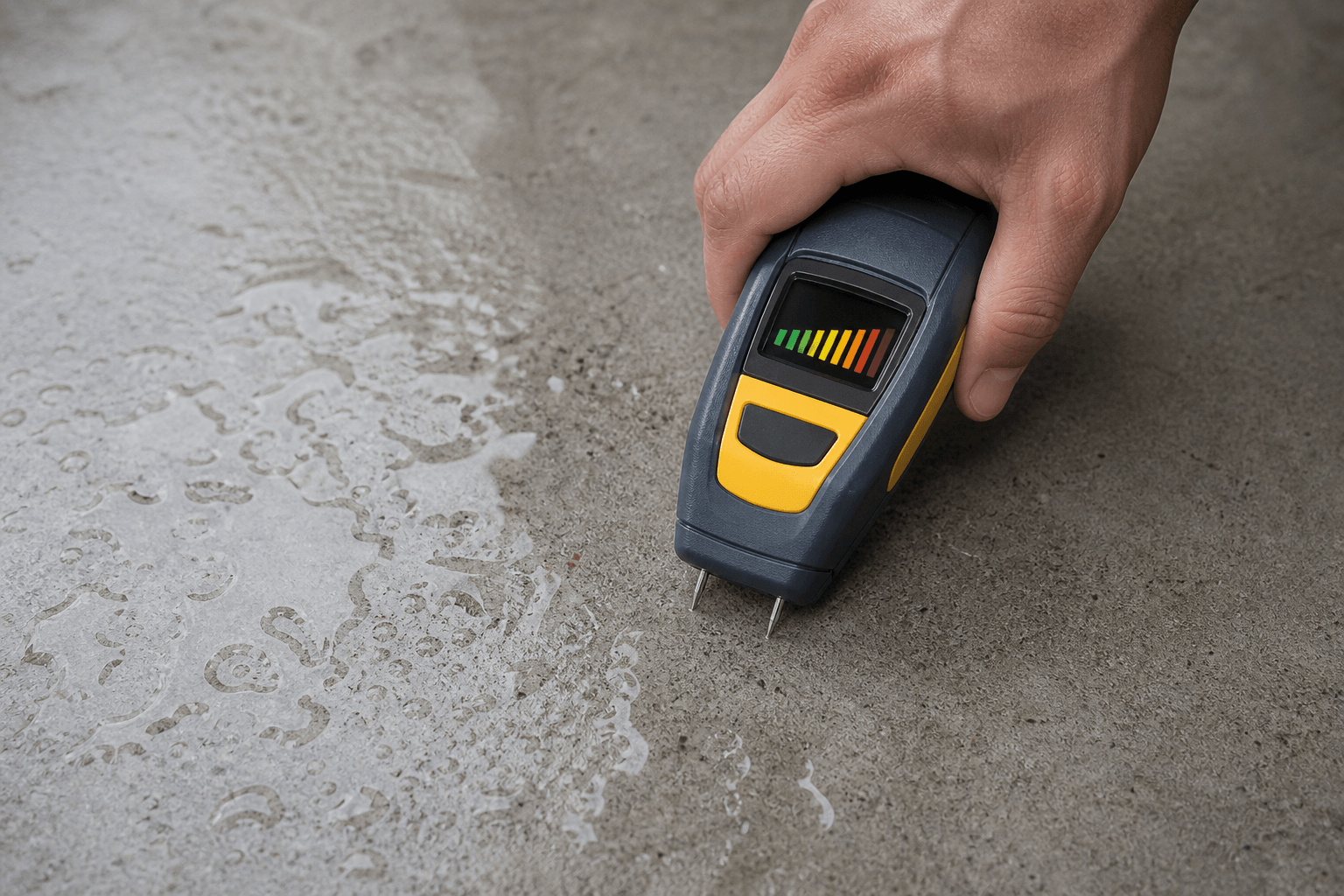
Surface moisture content

Surface moisture testing confirms readiness before flooring, coating, or waterproofing applications. It helps prevent coating failures, flooring damage, and long-term durability issues due to trapped moisture.

Handheld moisture meter on concrete slab with reading

Half-cell potential

Half-cell potential testing assesses the probability of active corrosion in embedded reinforcement. Measurements follow ASTM C876 and support early-stage durability and rehabilitation planning.

Corrosion and materials testing

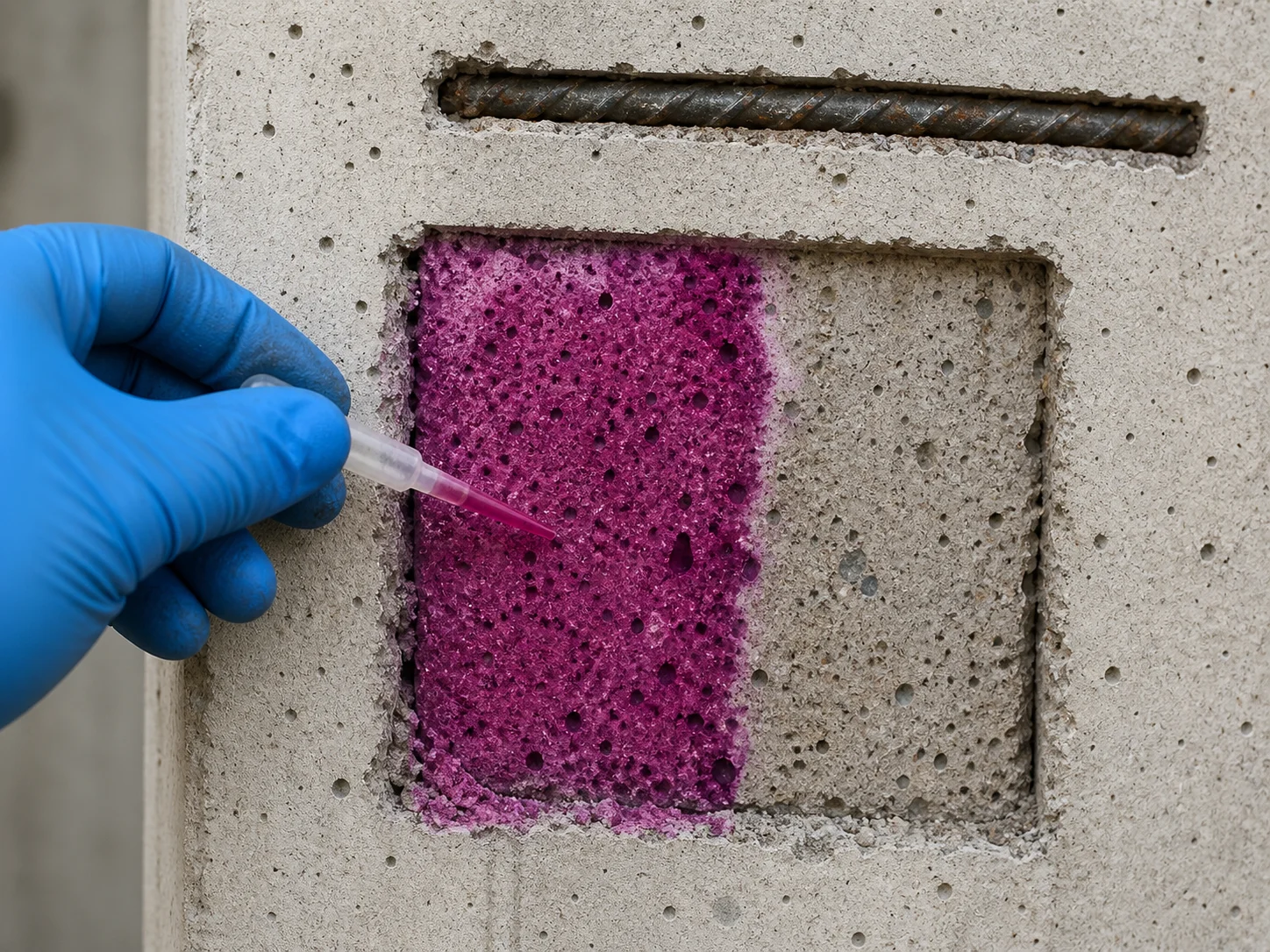
Depth of carbonation

This test measures carbonation penetration depth in concrete, typically using a phenolphthalein indicator on freshly exposed surfaces. Results help evaluate durability and corrosion protection performance over time.

Concrete durability assessment

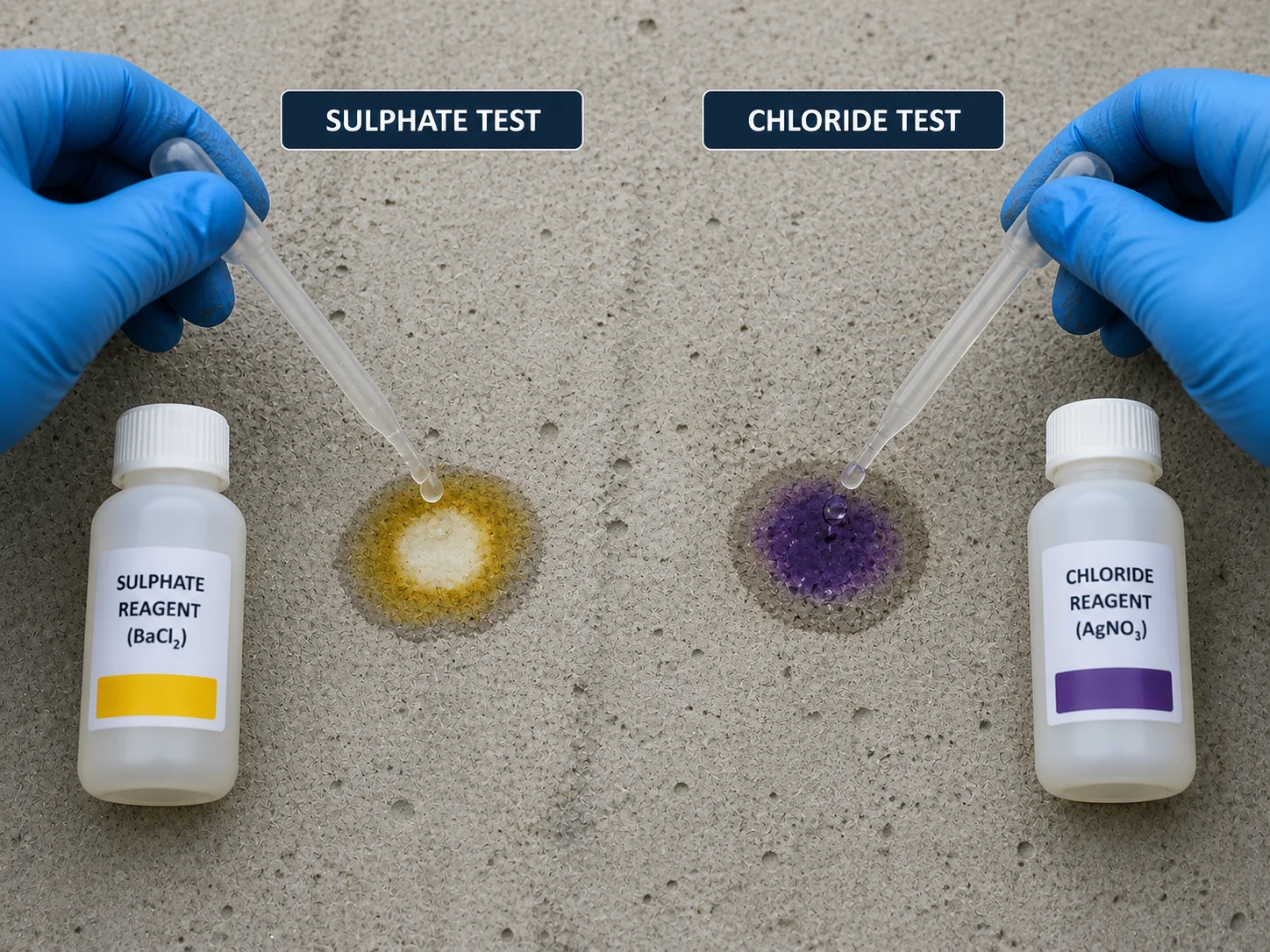
Acid test: sulphate & chloride

Laboratory analysis quantifies sulphate and chloride content in concrete and construction materials. This is especially important in coastal and high-humidity UAE environments where chemical attack and corrosion risks are elevated.

Laboratory chemical analysis

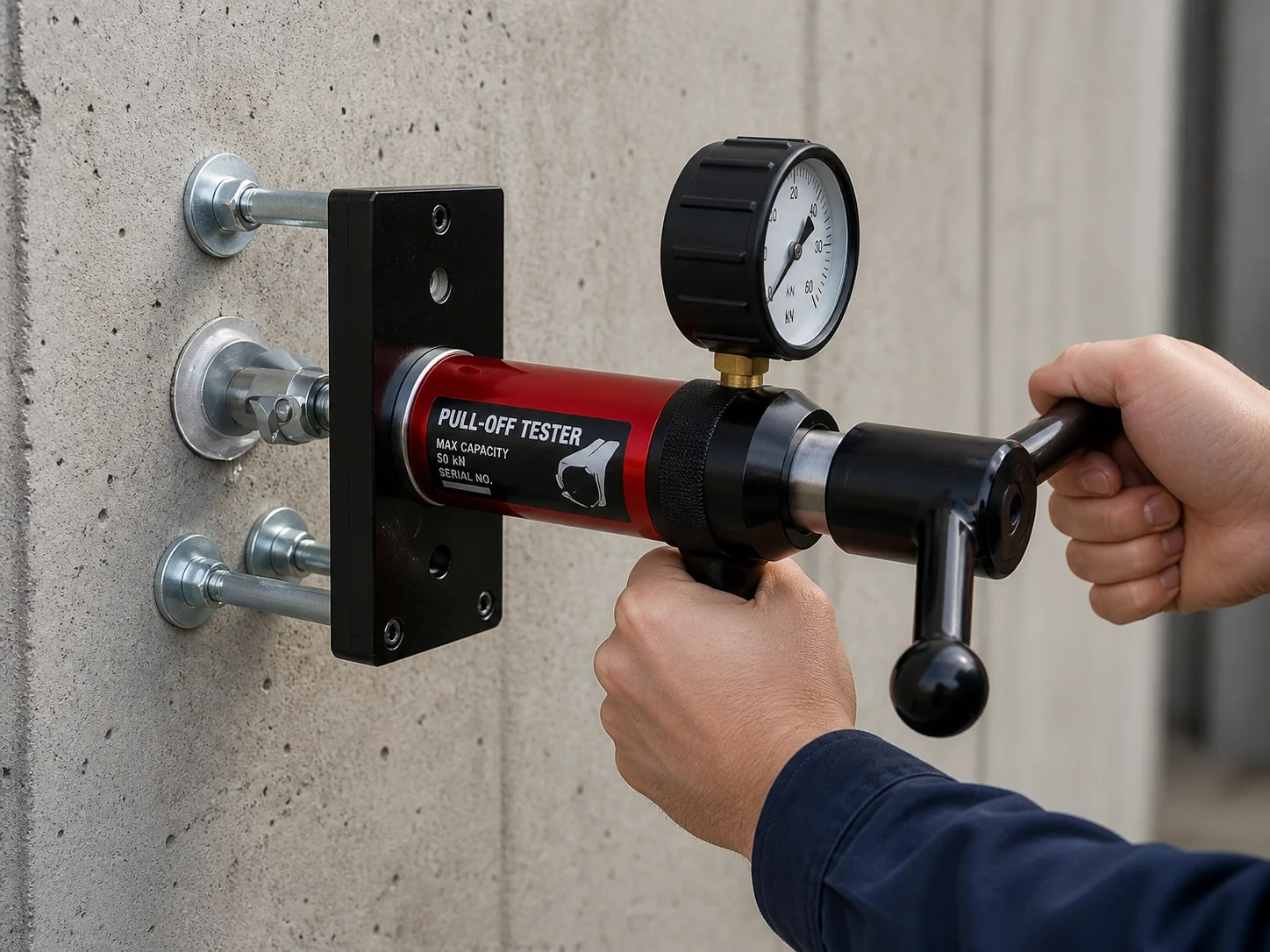
Pull-out test

A semi-destructive method that estimates in-situ concrete strength by measuring the force required to extract an embedded insert. Testing follows ASTM C900 and supports structural evaluation where core extraction is limited.

In-situ structural testing equipment

Other tests

Additional materials & structural tests (ask for scope). We align methods and reporting with your engineer and authority requirements.

Lab bench with samples

© 2026 Prime Lab Project Management Services LLC. Dubai & UAE.